9 Most Famous Temples in Bali Beyond Tanah Lot and Uluwatu
Most Famous Temples in Bali are not limited to Tanah Lot and Uluwatu. Across the island, you can find sacred temples surrounded by mountains, lakes, rice fields, forests, and traditional villages. Each temple offers a different glimpse into Balinese Hindu culture, architecture, history, and spiritual traditions.
If you want to explore Bali beyond its famous beaches, visiting these temples can add a meaningful cultural experience to your trip. From the majestic Besakih Temple to the peaceful Ulun Danu Beratan Temple, these sacred places are worth adding to your itinerary.
In this guide, we explore nine famous temples in Bali that offer something different from the island’s most familiar tourist attractions.
Why Visit Most Famous Temples in Bali?
Temples are an important part of everyday life in Bali. They are not simply tourist attractions. Many are active places of worship where religious ceremonies and community activities take place throughout the year.
For travelers, visiting a temple can be an opportunity to learn about Balinese traditions and appreciate the island’s distinctive architecture. Some temples are surrounded by dramatic landscapes, while others are known for their historical or spiritual significance.
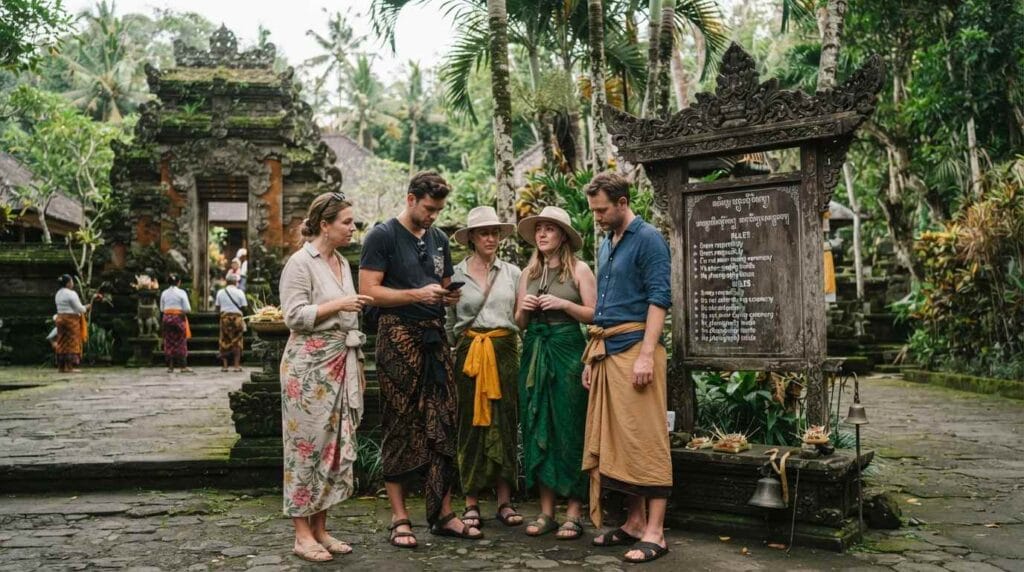
When visiting a temple, dress respectfully and follow local rules. Visitors are generally expected to cover their shoulders and knees, and sarongs or sashes may be required. It is also important to avoid disturbing ceremonies or restricted areas.
For more ideas, see our Bali itinerary
1. Besakih Temple
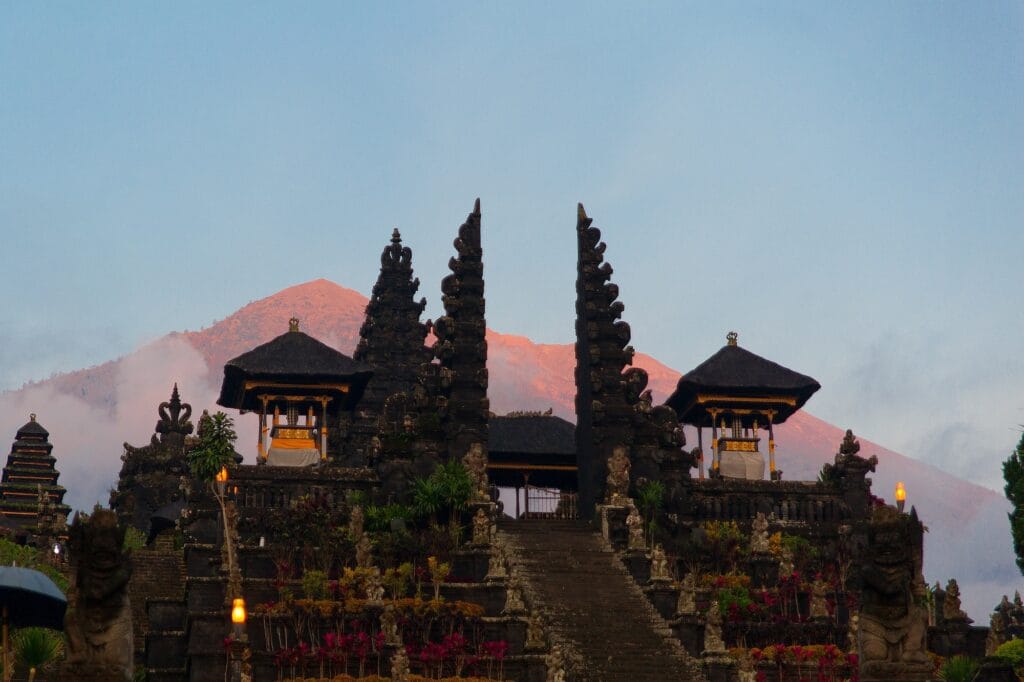
Pura Besakih is one of the most important temple complexes in Bali. Often called the “Mother Temple,” it sits on the slopes of Mount Agung in Karangasem, East Bali.
The complex consists of numerous temples spread across the mountainside. Pura Penataran Agung Besakih serves as the central temple, while other temples surround it across the sacred complex. Official tourism information describes Besakih as the largest and holiest Hindu temple complex in Bali.
The mountain setting makes Besakih particularly impressive. On a clear day, visitors can enjoy views of Mount Agung while exploring the temple grounds.
What Makes Besakih Special?
Besakih combines religious importance, traditional architecture, and dramatic scenery. It is also closely connected with the Balinese philosophy of Tri Hita Karana, which emphasizes harmony between people, God, other people, and the natural environment.
If you are interested in Bali’s religious heritage, Besakih is a destination worth including in your itinerary.
2. Tirta Empul Temple
Located in Tampaksiring, Tirta Empul is famous for its sacred spring water and purification tradition.
The temple complex includes a bathing pool where visitors may participate in the melukat purification ritual according to the applicable local rules. The experience is more than a typical sightseeing activity because the water is part of an important religious tradition.
Non-Hindu visitors can also visit the temple and pray according to their own beliefs while maintaining a respectful attitude. Visitors who take part in the purification process should follow the instructions of local guides or temple staff.
Why Visit Tirta Empul?
Tirta Empul is a good choice for travelers who want to experience a different side of Balinese culture. Instead of focusing only on architecture and photography, you can learn about the role of water and purification in Balinese Hindu traditions.
Because the temple remains an active religious site, visitors should keep their voices low and respect people who are praying or taking part in ceremonies.
3. Ulun Danu Beratan Temple
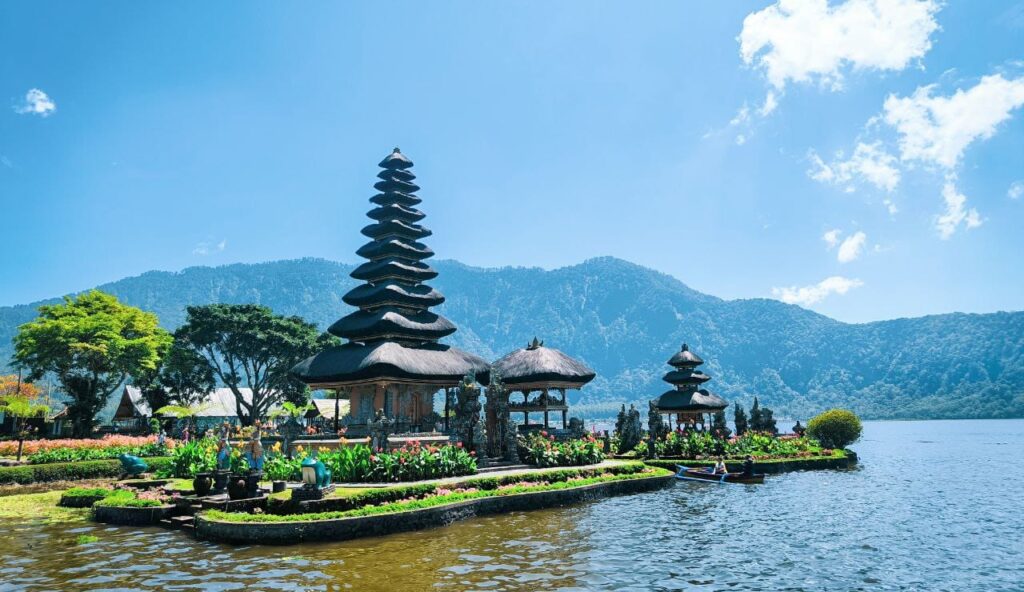
Ulun Danu Beratan is one of the most recognizable temples in Bali. It is located beside Lake Beratan in the mountainous Bedugul area.
The temple’s location creates a unique landscape. Parts of the complex appear to sit on or beside the lake, while mountains and cool highland scenery surround the area.
The Indonesian tourism authority lists Ulun Danu Beratan among Bali’s notable temple destinations and highlights its location around Lake Beratan in Bedugul.
What Can You See at Ulun Danu Beratan?
The main attraction is the combination of traditional Balinese architecture and the lake environment. The cool climate also makes Bedugul feel very different from Bali’s warmer coastal areas.
It is an excellent option if you want to combine cultural sightseeing with a scenic mountain escape.
4. Lempuyang Temple
Pura Lempuyang is located in Karangasem and is widely known for its iconic temple gates. The location offers spectacular views toward Mount Agung when weather conditions are favorable.
The temple complex is also associated with a long stairway journey. Official tourism information notes that the route to the upper area involves more than 1,700 steps and passes through several temple areas.
Is Lempuyang Worth Visiting?
Lempuyang is particularly appealing to travelers who enjoy photography, mountain scenery, and cultural experiences. However, it is important to remember that the temple is a sacred place, not simply a photo location.
Visitors should wear appropriate clothing, follow local instructions, and respect religious activities. Some areas may have additional restrictions during ceremonies.
For another scenic destination, you can also read our guide to East Bali Tours
5. Taman Ayun Temple
Pura Taman Ayun is located in Mengwi and is known for its elegant temple architecture and landscaped surroundings.
Unlike temples positioned on dramatic cliffs or mountain slopes, Taman Ayun has a more peaceful garden-like atmosphere. The temple was historically connected with the Mengwi Kingdom and features traditional multi-tiered meru structures.
What Makes Taman Ayun Different?
The combination of gardens, courtyards, walls, and traditional architecture gives Taman Ayun a distinctive character.
It can also be a convenient cultural stop for travelers exploring central Bali. If you are planning a day trip around the area, consider combining Taman Ayun with other attractions in Mengwi and nearby destinations.
6. Goa Gajah
Goa Gajah, or Elephant Cave, is a historic archaeological site near Ubud. Despite its name, the site is not simply a cave filled with elephant statues.
The entrance features an intricately carved stone façade, while the surrounding complex includes ancient structures, bathing areas, and religious sites.
Why Explore Goa Gajah?
Goa Gajah is a good choice for travelers interested in history and archaeology. Its atmosphere is different from the large temple complexes found elsewhere in Bali.
The site can also be included in a cultural itinerary around Ubud. After visiting Goa Gajah, travelers can explore nearby rice fields, traditional villages, or other cultural attractions.
7. Gunung Kawi Temple
Gunung Kawi is another fascinating historical site in the Tampaksiring area. The complex is famous for its monumental rock shrines carved into the cliffside.
Getting there involves descending hundreds of steps into a green valley. The journey itself becomes part of the experience, with views of tropical vegetation and the surrounding landscape.
What Should You Know Before Visiting?
Wear comfortable shoes because reaching the complex requires walking down and later climbing back up the stairs.
Visitors should also wear appropriate clothing. Sarongs and sashes are required for entry to sacred areas, and they may be available at the entrance.
Gunung Kawi is especially suitable for travelers who want to combine cultural exploration with a short outdoor adventure.
8. Pura Goa Lawah
Pura Goa Lawah is a coastal temple in East Bali that is closely associated with a cave inhabited by bats.
The temple’s name literally refers to a bat cave, and the cave is one of its most distinctive features. Its coastal setting also makes it an interesting stop when exploring the eastern part of the island.
Why Add Goa Lawah to Your Bali Itinerary?
Goa Lawah offers something different from the temples surrounded by mountains or rice terraces. Its combination of religious significance, coastal scenery, and unusual natural features makes it a memorable cultural stop.
Because it is an active place of worship, visitors should follow temple etiquette and avoid disturbing ceremonies.
9. Pura Kehen
Pura Kehen is located in Bangli and is known for its traditional Balinese architecture and peaceful setting.
The temple is surrounded by greenery and features traditional elements that make it interesting for travelers who want to experience Bali’s cultural heritage away from the busiest tourist areas.
What Makes Pura Kehen Worth Visiting?
Pura Kehen can be a good addition to a cultural itinerary through central and eastern Bali. Its quieter atmosphere allows visitors to focus more on the architecture, surroundings, and cultural significance of the temple.
If you enjoy exploring less crowded cultural attractions, consider pairing Pura Kehen with other destinations in Bangli.
Tips for Visiting Temples in Bali
Visiting a Balinese temple requires more than simply showing up with a camera. These places are part of living religious traditions, so respectful behavior is important.
1. Wear Appropriate Clothing
Cover your shoulders and knees when entering a temple. A sarong and sash may be required, depending on the temple. Some locations provide them at the entrance.
2. Respect Religious Ceremonies
Do not interrupt prayers, processions, or ceremonies for photographs. If you want to take close-up photographs of people participating in a ceremony, ask for permission first.
3. Follow Restricted-Area Signs
Some sections of a temple are reserved for worshippers. Always follow signs, barriers, and instructions from temple staff or local guides.
4. Watch Where You Walk
Balinese Hindu offerings, including canang sari, are commonly placed in public and temple areas. Avoid stepping on them.
5. Keep the Temple Clean
Avoid leaving rubbish behind and treat the temple grounds with care. Remember that these places have religious and cultural importance for local communities.
Best Time to Visit Bali Temples
The best time to visit a temple depends on your itinerary and the experience you want.
Early morning is often comfortable for outdoor sightseeing because temperatures are generally cooler. It can also provide softer light for photography.
However, religious ceremonies can change access and visitor conditions. Before visiting a temple, check current information and be prepared for temporary restrictions.
If photography is your priority, weather is also important. Mountain temples such as Lempuyang and Besakih can have changing visibility because of clouds and weather conditions.
Which Bali Temples Should You Visit?
Each temple offers a different experience. Besakih is ideal for travelers interested in Bali’s major religious heritage and mountain scenery. Tirta Empul is notable for its sacred spring and purification tradition.
Ulun Danu Beratan stands out for its lake setting, while Lempuyang is known for its dramatic mountain views and iconic gates. Taman Ayun offers beautiful traditional architecture, while Goa Gajah and Gunung Kawi provide opportunities to explore Bali’s archaeological heritage.
For travelers looking beyond the most familiar tourist attractions, Goa Lawah and Pura Kehen can add variety to a cultural itinerary.
Final Thoughts
The Most Famous Temples in Bali offer much more than beautiful photographs. They reveal different aspects of Balinese architecture, history, spirituality, and everyday culture.
From the mountain slopes of Besakih to the peaceful waters of Lake Beratan, these temples show how closely Bali’s natural landscape and religious traditions are connected.
If you are planning a Bali trip, consider visiting at least a few temples rather than focusing only on beaches and nightlife. Just remember that every temple has its own rules, traditions, and sacred areas.
Most importantly, travel respectfully. Follow local guidelines, dress appropriately, and give space to people who are worshipping. By doing so, you can enjoy Bali’s cultural heritage while helping preserve the meaning of these sacred places for future generations.
Planning to visit Bali’s famous temples? Message us private driver Bali on WhatsApp for travel tips, recommendations, and help planning your trip.